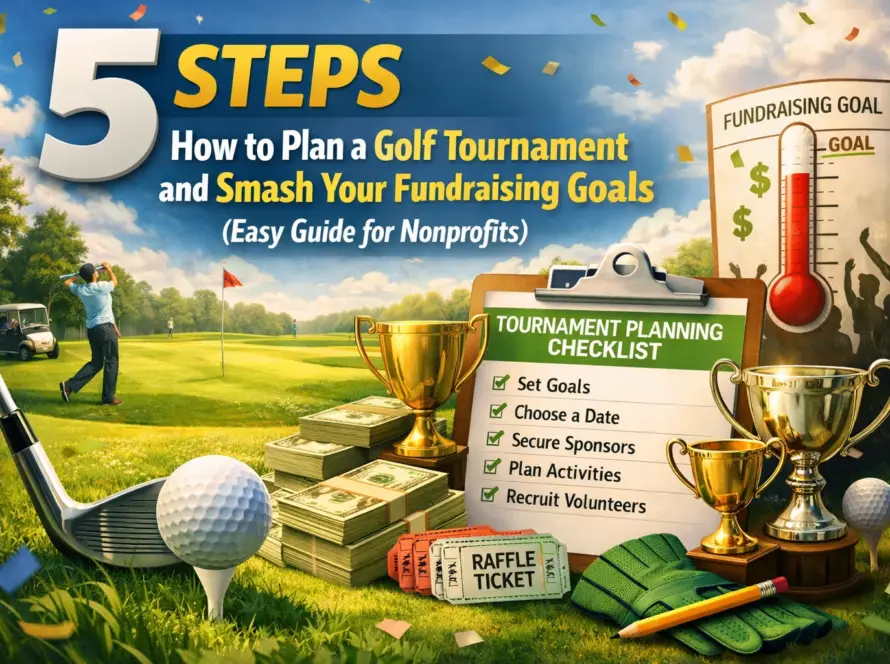

Planning a golf tournament requires precision and a commitment to the guest experience. For many organizations, a golf outing is a primary fundraising tool or a key networking event. If you are new to golf event planning, the process can appear overwhelming. How do you ensure that every guest feels valued from the moment they arrive? How do you manage the logistics of 144 players spread across 150 acres?
This guide outlines the essential steps to plan a golf tournament that prioritizes guest satisfaction and operational excellence. At Fore Giving, we specialize in creating fun and engaging experiences. We handle the technical details so you can focus on your donors, clients, and partners.
The Foundation: Early Preparation
Successful golf event planning begins at least six months before the tee time. Early action is necessary to secure high-demand venues and attract premium sponsors.
Assemble Your Leadership Team
Do not attempt to plan a tournament alone. Form a committee with specific roles. Assign individuals to oversee sponsorships, player recruitment, logistics, and day-of operations. If your internal team lacks the capacity, consider partnering with a professional golf tournament planner.
Define Your Objectives
Identify the primary goal of your event. Is it to raise funds for a charity? Is it to reward employees? Or is it to impress high-net-worth clients? Your objectives dictate every subsequent decision, from the choice of the course to the quality of the giveaway bags.
Select a Strategic Date
Consult local calendars to avoid conflicts with major sporting events or holidays. Ensure you have a rain date or a clear policy for inclement weather.
Venue Selection: Quality and Accessibility
The venue is the most significant expense and the primary driver of attendance. When evaluating locations, prioritize the following:
- Course Condition: Well-maintained fairways and greens are essential for player satisfaction.
- Facility Amenities: Look for adequate locker rooms, a professional pro shop, and a banquet space that accommodates your guest count.
- Support Staff: Choose a venue with a dedicated events team. A responsive club professional is a vital partner during the planning process.
- Accessibility: Ensure the location is convenient for your target audience and has ample parking.

Designing the Arrival Experience
The guest experience begins the moment a player enters the property. First impressions set the tone for the entire day.
Efficient Bag Drop and Parking
Staff should be ready to greet players at their cars. Implement a professional bag drop service to transport clubs to the designated carts immediately. Use clear signage to direct guests toward registration.
Seamless Registration
Avoid long queues. Organize registration by last name or company. Ensure all staff members are briefed on the day's schedule. Provide a "swag bag" or arrival gift that reflects the quality of your brand. For luxury brands, consider high-end apparel or premium golf balls.
The Pre-Game Atmosphere
Offer a light breakfast or a buffet lunch. Provide access to the driving range and putting green so guests can warm up. This period is the first opportunity for networking; ensure the environment is welcoming and professional.
The On-Course Experience: Fun and Engagement
A common mistake in golf event planning is focusing only on the game. To master the guest experience, you must engage golfers of all skill levels.
Choosing the Right Format
For most corporate and charity events, a Scramble (or Best Ball) format is recommended. This allows players of mixed abilities to contribute to their team’s score. It maintains a faster pace of play and reduces frustration for beginners.
Incorporating On-Course Contests
Keep energy high throughout the 18 holes by placing contests on specific tee boxes:
- Hole-in-One: High-stakes prizes, like a car or a luxury watch, create excitement.
- Closest to the Pin: A test of accuracy on par-3 holes.
- Longest Drive: Usually held on a wide par-5 fairway.
- Beat the Pro: Hire a professional golfer to challenge guests for a donation.
Hydration and Nutrition
Ensure beverage carts are frequently circulating. Dehydration leads to fatigue and a poor experience. Position "tasting stations" or "snack shacks" at key intervals to provide high-quality refreshments.

The 19th Hole: The Finale
The transition from the 18th green to the clubhouse is critical. The "19th Hole" experience is where the most meaningful connections are made.
The Post-Round Reception
Offer a cocktail hour immediately following play. This allows golfers to share stories from their rounds while scores are tabulated.
The Awards Ceremony
Keep the program concise. Acknowledge top performers, but prioritize thanking your sponsors and highlighting the cause. If the event is for a charity, this is the time to share a brief, high-impact story about your mission.
Silent and Live Auctions
If fundraising is an objective, utilize professional auction software to streamline bidding. Ensure items are displayed attractively and the checkout process is frictionless.
The Professional Advantage: Why Partner with Fore Giving?
Planning a high-end golf tournament is a full-time job. Many hosts find themselves so preoccupied with logistics: such as cart assignments, signage placement, and catering issues: that they fail to interact with their own guests.
GTAA Membership and Industry Excellence
Fore Giving is a member of the Golf Tournament Association of America (GTAA). This membership ensures that our team follows the highest industry standards for tournament management. We apply proven frameworks to maximize revenue and minimize operational friction.
Managing the Professional Excellence
Our team, including experts like David Green and Natalie Jones, handles the heavy lifting. We manage:
- Vendor negotiations and contract reviews.
- Comprehensive event branding and signage.
- Volunteer coordination and training.
- On-site troubleshooting.
By delegating these tasks to a professional golf tournament planner, the host can step back and act as the primary ambassador for their brand or cause.

Budgeting for Success
A detailed budget is your roadmap. You must account for every potential cost to ensure the event remains profitable or within the allocated corporate spend.
Common Expenses to Track:
- Green Fees and Carts: Usually quoted per player.
- Food and Beverage: Include breakfast, on-course snacks, and the post-round meal.
- Prizes and Gifts: High-quality items are necessary for luxury brand alignment.
- Signage: Sponsor recognition is mandatory.
- Marketing and Promotion: Website hosting, email software, and social media ads.
Revenue Streams:
- Player Registration Fees: Set these high enough to cover costs and generate a surplus.
- Corporate Sponsorships: Offer tiered packages (Title Sponsor, Gold, Silver, Bronze).
- Contest Entries: Sell "Mulligan" packages or "String" to help players lower their scores.
Planning for All Skill Levels
Not every guest is a scratch golfer. To be truly inclusive, consider those who may be intimidated by the sport. Our services often include beginner-focused content and clinics. Offering a 1-hour clinic with a club pro during the tournament can engage non-golfers and make them feel part of the corporate culture.

Post-Event Follow-Up
The event does not end when the last guest leaves. Success is measured by long-term engagement.
Thank You Communications
Send personalized thank-you notes to sponsors and major donors within 48 hours. Provide a summary of the funds raised or the impact achieved.
Collect Feedback
Send a brief survey to participants. Ask about the quality of the course, the food, and the overall pace of play. Use this data to improve your planning for the following year.
Financial Reconciliation
Finalize all invoices and provide a detailed financial report to your board or executive team.
Frequently Asked Questions
How long does a golf tournament usually last?
Typically, you should allocate 4.5 to 5 hours for the round, plus 2 hours for registration/lunch and 1.5 hours for the post-round reception.
What is a Shotgun Start?
A shotgun start means every team starts at the same time on different holes. This ensures everyone finishes at the same time, which is essential for a unified awards ceremony.
Can we host a tournament if we don't know how to play golf?
Absolutely. Many of our clients are not golfers themselves. Our role is to provide the technical expertise while you provide the guest list and the vision.
Take the Next Step
Planning a golf tournament is a significant undertaking, but it offers unparalleled rewards in terms of relationship building and fundraising. By focusing on the guest experience: from arrival to the 19th hole: you ensure your event becomes a staple on the annual calendar.
Are you ready to elevate your next corporate or charity outing? Let us handle the professional excellence so you can focus on what matters most: your guests.
Contact our team today to learn how Fore Giving can transform your event. For more information on our leadership, visit our team page.